


B7-33 99% Pure Peptide is a synthetic single-chain peptide derived from the B-chain of human relaxin-2. It has attracted research interest because of its interaction with the relaxin family peptide receptor 1 (RXFP1) and its reported G protein-biased signaling activity. Its quality depends on several important characteristics, including amino acid sequence accuracy, peptide purity, molecular integrity, and batch consistency. Understanding its molecular properties, receptor-related activity, and quality indicators can help researchers evaluate this peptide for laboratory research.
Faithful Chemical supplies B7-33 99% Pure Peptide for research and development applications. We support B2B customers with product specification inquiries, batch-related quality information, and supply coordination. Contact our team to discuss available quantities, packaging options, and product documentation.
Basic Introduction
Peptide Origin
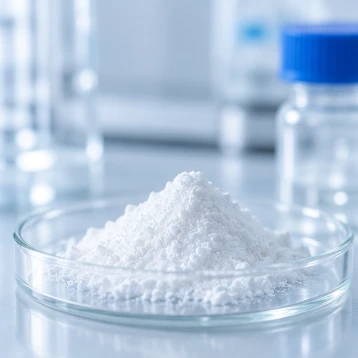
B7-33 99% Pure Peptide is a synthetic single-chain peptide analogue derived from the B-chain of human relaxin-2 (H2 relaxin). It was designed as a simplified relaxin-based ligand and investigated for its ability to activate the relaxin family peptide receptor 1 (RXFP1). Its shorter peptide structure makes it an interesting model for studying the relationship between peptide structure and receptor activity.

Molecular Identity
B7-33 99% Pure Peptide has a defined amino acid sequence and molecular structure. Its exact sequence, molecular formula, molecular weight, and counterion form should be confirmed against the product specification. These details help distinguish B7-33 99% Pure Peptide from native two-chain relaxin peptides and other relaxin-derived compounds.

Target Receptor
The relaxin family peptide receptor 1, also known as RXFP1, belongs to the G protein-coupled receptor (GPCR) family. It participates in signaling processes associated with cardiovascular function, vascular regulation, and tissue remodeling. RXFP1 is the primary receptor associated with research on B7-33 99% Pure Peptide.

Research Background
B7-33 99% Pure Peptide has received particular attention in experimental studies of fibrosis. Its reported biased agonist activity provides researchers with a way to investigate how selective RXFP1 activation may influence fibroblast activity and extracellular matrix production.
Faithful Chemical supplies B7-33 99% Pure Peptide for research and development applications. Customers can request the product's sequence information, specifications, and available package sizes before purchasing.
Action Mechanism
B7-33 99% Pure Peptide is a relaxin-derived peptide that interacts with the RXFP1 receptor and has attracted research interest for its G protein-biased agonist activity. Its signaling characteristics provide opportunities to investigate receptor activation, cellular responses, and mechanisms associated with fibrosis. Understanding these processes helps explain the scientific interest in B7-33 99% Pure Peptide and its potential applications in peptide-related research.
RXFP1 Receptor Activation
B7-33 99% Pure Peptide interacts with the relaxin family peptide receptor 1 (RXFP1), a G protein-coupled receptor involved in intracellular signal transmission. Ligand binding can trigger receptor conformational changes and activate downstream signaling proteins. This interaction provides the basis for investigating B7-33 99% Pure Peptide in RXFP1-related research.
01
Biased Agonism
One distinctive feature of B7-33 99% Pure Peptide is its reported G protein-biased agonist activity. Experimental studies have indicated a preference for pERK1/2 signaling, with comparatively limited cAMP activation. This signaling profile makes B7-33 99% Pure Peptide useful for examining how different patterns of RXFP1 activation may produce different cellular responses.
02
Fibrotic Signaling
Fibrosis involves excessive extracellular matrix accumulation, particularly collagen. Research on B7-33 99% Pure Peptide has examined its relationship with profibrotic responses, including fibroblast activity and collagen production. The RXFP1–angiotensin II type 2 receptor (AT2R) heterodimer and downstream pERK/MMP-2 pathways are important mechanisms to consider when investigating these processes.
03
Cellular Indicators
Researchers can evaluate several indicators when studying the relationship between RXFP1 activation and fibrotic responses: Collagen I and III: Indicators of extracellular matrix production.
α-SMA: A marker commonly used to examine myofibroblast differentiation.
TGF-β: A signaling pathway associated with fibrotic processes.
RXFP1 signaling: Helps assess receptor-related cellular responses.
04
Faithful Chemical supplies B7-33 99% Pure Peptide for laboratories conducting RXFP1-related and fibrosis-focused research. Contact our team for available product specifications, batch information, and supply options.
Research Potential
Research on B7-33 99% Pure Peptide has primarily focused on RXFP1-related signaling, antifibrotic activity, cardiac remodeling, and vascular responses. Published studies provide a basis for investigating its effects in these areas, while pulmonary and renal fibrosis remain potential directions that require further B7-33-specific experimental validation.
Cardiac Fibrosis
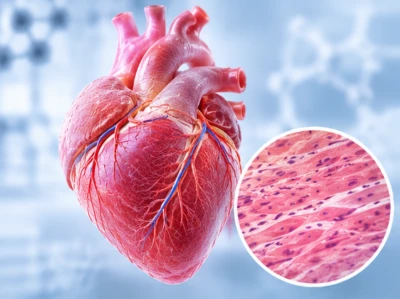
B7-33 99% Pure Peptide has been investigated for its potential antifibrotic effects in cardiac research. Studies can focus on cardiac fibroblast activity, collagen production, and myocardial remodeling.
Pulmonary Fibrosis
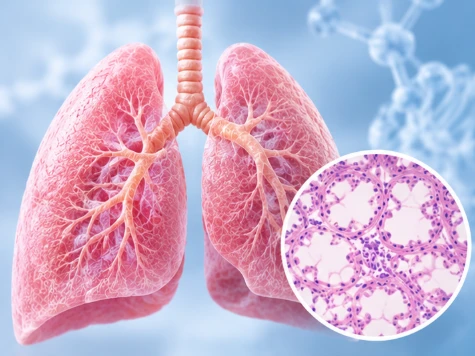
B7-33 99% Pure Peptide may provide a research direction for studying RXFP1 signaling in pulmonary fibrosis. Relevant indicators include fibroblast activation, collagen accumulation, and extracellular matrix changes.

Renal Fibrosis
In renal research, B7-33 99% Pure Peptide may be explored for its relationship with kidney fibrosis. Researchers can examine collagen deposition, α-SMA expression, and TGF-β-related signaling.
Vascular Research
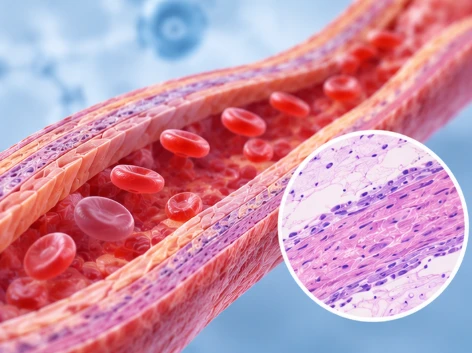
B7-33 99% Pure Peptide can also be studied in relation to RXFP1-mediated vascular responses, including endothelial function and vascular remodeling.
Faithful Chemical supplies B7-33 99% Pure Peptide for fibrosis and cardiovascular research. Contact us for product specifications and supply details.
Quality Factors
Sequence Accuracy
Amino acid sequence accuracy is fundamental to peptide identity. A substitution, deletion, or incomplete sequence may change molecular properties and affect receptor recognition.
For B7-33 99% Pure Peptide, the supplied material should match the specified reference sequence. Sequence information and appropriate identity testing are therefore important when evaluating product quality.
Purity Level
The 99% purity specification is an important quality indicator for this product. When measured by reversed-phase high-performance liquid chromatography (RP-HPLC), purity generally refers to the relative area of the principal chromatographic peak under the specified analytical conditions.
Molecular Integrity
Peptide-related impurities may result from incomplete synthesis, deletion sequences, oxidation, or other chemical modifications. These impurities can affect the overall composition of a sample.
Mass spectrometry can help confirm the expected molecular mass and identify certain mass-related differences. Combined with chromatographic analysis, it provides additional information about peptide identity and integrity.
Batch Consistency
Batch consistency is important for experiments involving repeated measurements or long-term studies. Differences in purity profiles, peptide content, or impurity composition may introduce unwanted variables.
Comparing batch-specific analytical documents can help researchers determine whether different batches meet the required specifications.
Faithful Chemical can provide available quality documentation for B7-33 99% Pure Peptide. Customers may request batch-specific analytical information, including the available purity and identity test results.
Storage Recommendations
Proper storage helps maintain the physical and chemical condition of peptide samples during laboratory handling and storage.
Temperature Control
The recommended storage temperature should follow the product-specific specification. Temperature fluctuations and unsuitable storage conditions may affect peptide stability. Researchers should confirm the appropriate conditions for the supplied formulation instead of assuming that all peptides have identical storage requirements.


Moisture Protection
Powder may absorb moisture from the surrounding environment. Moisture exposure can cause powder caking and may increase the risk of degradation.
Samples should be kept in tightly sealed containers and protected from humid laboratory conditions.
Light Protection
Light sensitivity varies between peptide structures. Nevertheless, limiting unnecessary light exposure is a practical precaution during storage and handling. Original packaging or an appropriate light-protective container can help reduce exposure.


Sample Handling
When removing material from a container, minimize the time the sample remains exposed to laboratory air. Dividing a sample into suitable aliquots can also reduce repeated opening and closing of the original container.
Faithful Chemical offers packaging arrangements for B7-33 99% Pure Peptide to support product protection during handling and transportation. Please request the recommended storage conditions for the specific product formulation.
Purchasing Notes

Confirm Product Specifications
Before ordering, confirm the product name, amino acid sequence, molecular form, purity specification, and available quantity. These details help ensure that the material matches the intended research requirements.
Review Analytical Documents
A Certificate of Analysis (COA) can provide batch-specific information. Researchers should review the reported purity, analytical method, molecular mass, and other available test results.
Check Packaging Options
Packaging should match the ordered quantity and expected transportation conditions. Customers can confirm available package sizes, container types, and sealing arrangements before shipment.
Confirm Order and Delivery Details
For B2B procurement, minimum order quantity, bulk pricing, preparation lead time, and shipping arrangements should be discussed before placing an order.
Faithful Chemical accepts B2B inquiries for B7-33 99% Pure Peptide. Contact our sales team for quotations, available quantities, and delivery arrangements.
Supplier Advantages
Faithful Chemical focuses on supplying chemical and peptide materials to international B2B customers. Our service covers product inquiries, supply coordination, and support with relevant product information.
Quality Control Support
Product quality information is important when selecting materials for research. We can assist customers in obtaining available analytical information and batch-related documentation for product evaluation.
Product Documentation
Clear product specifications help customers confirm material identity and purchasing requirements. Our team can respond to inquiries about sequence information, purity specifications, and available testing documents.
Flexible Supply
Research projects may require different quantities at different stages. We support B2B purchasing requirements and can discuss suitable supply quantities and packaging arrangements.
Professional Customer Service
Our sales team assists with product inquiries, quotations, order coordination, and shipping arrangements. We aim to make communication clear throughout the purchasing process, from initial inquiry to order fulfillment.
Faithful Chemical welcomes cooperation with laboratories, research institutions, CROs, and peptide-related businesses. Send us your B7-33 99% Pure Peptide requirements to discuss a suitable supply arrangement.
FAQ
Conclusion and Reference
Conclusion
B7-33 99% Pure Peptide is a synthetic relaxin-derived peptide studied for its interaction with the RXFP1 receptor and its reported G protein-biased signaling characteristics. Its research potential is particularly associated with antifibrotic mechanisms, including fibroblast activity and extracellular matrix regulation.
When evaluating B7-33 99% Pure Peptide, researchers should consider more than the stated purity level. Sequence accuracy, molecular integrity, analytical methods, and batch consistency are also important factors. Reviewing these characteristics helps researchers make informed decisions when selecting peptide materials for laboratory studies.
Faithful Chemical supplies B7-33 99% Pure Peptide for research and development customers. For product inquiries, quotations, and supply arrangements, please contact our team.
If you require B7-33 99% Pure Peptide research or production
Please contact Faithful Chemical Click
Email: allen@faithfulbio.com
WhatsApp: +86 13137770562
Reference
1.Hossain, M. A., Kocan, M., Yao, S. T., Royce, S. G., Bat-Erdene, U., Madawala, R. J., ... & Wade, J. D. (2016). A single-chain derivative of the relaxin hormone is a functionally selective agonist of the G protein-coupled receptor, RXFP1. Chemical Science, 7(6), 3805–3819.
2.Devarakonda, T., Salloum, F. N., & Das, A. (2020). B7-33, a functionally selective relaxin receptor 1 agonist, attenuates myocardial infarction-related adverse cardiac remodeling in mice. Journal of the American Heart Association, 9(8), e015748.
3.Marshall, S. A., Ng, H. H., Ponnampalam, A. P., Leo, C. H., & Parry, L. J. (2017). B7-33 replicates the vasoprotective functions of human relaxin-2 (serelaxin). European Journal of Pharmacology, 807, 190–197.
4.Bhuiyan, S., Hewitson, T. D., & Samuel, C. S. (2021). Assessment of renal fibrosis and anti-fibrotic agents using a novel diagnostic and stain-free second-harmonic generation platform. The FASEB Journal, 35(5), e21595.
5.Praveen, P., Kocan, M., Valkovic, A., Bathgate, R. A. D., & Hossain, M. A. (2023). A lipidated single-B-chain derivative of relaxin exhibits improved in vitro serum stability without altering activity. International Journal of Molecular Sciences, 24(7), 6616.
6.Praveen, P., Kocan, M., Valkovic, A., Bathgate, R. A. D., & Hossain, M. A. (2019). Single chain peptide agonists of relaxin receptors. Molecular and Cellular Endocrinology, 487, 34–39.
7.Tamburriello, M., Benedetti, L., Chiesa, E., Ceccarelli, G., & Dorati, R. (2026). B7-33 modulates fibrotic signalling in hypertrophic scar fibroblasts: An in vitro study supporting a novel therapeutic strategy. Journal of Drug Delivery Science and Technology, 121.