


Gaoben lactone is the most representative active monomer component in Angelica sinensis and Ligusticum chuanxiong. It has been proven to have multiple pharmacological effects, including neuroprotection, anti-inflammatory, antioxidant, improvement of heart failure and liver lipid metabolism, and promotion of angiogenesis. The mechanism of action is gradually moving from a phenomenon to a pathway level analysis.
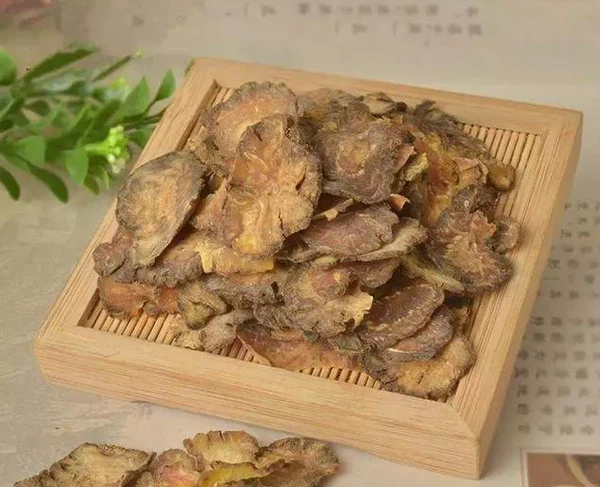
🌿 Background: It is not only the source of the "Danggui flavor", but also the molecular code of thousands of years of experience
Angelica sinensis and Ligusticum chuanxiong belong to the Umbelliferae family and are the most frequently used traditional Chinese medicine herbs for promoting blood circulation and removing blood stasis. The ancient book "Shennong Bencao Jing" states that Angelica sinensis "mainly coughs against the upper qi, washes warm malaria and cold heat in the skin, causes women to leak their dead bodies, and has various malignant ulcers and golden sores." The "Compendium of Materia Medica" praises Chuanxiong for "ascending the head, descending the blood sea, and opening the middle to stagnation." The two are often used in combination to regulate menstruation, relieve pain, activate blood circulation, and unblock collaterals.
But it was not until the mid to late 20th century that scientists isolated the key active substance, Ligustilide, from its volatile oil. It is a natural compound of the phthalein class, with a molecular formula of C ₁₂ H ₁₄ O ₂ and a molecular weight of 190.24. It exists in two configurations, (Z) - and (E) -, among which * * (Z) - Ligustride is the natural dominant configuration with stronger biological activity * * 5. It is not only the main source of the unique aroma of Angelica sinensis (similar to fennel or bitter), but also carries most of its modern pharmacological functions. It is worth noting that it does not exist in isolation: Angelica sinensis is also rich in synergistic components such as ferulic acid, coumarin, and polysaccharides; Chuanxiong, on the other hand, coexists with ligustilide and ligustilide, forming a natural compound effect with multiple targets and pathways.
❤️Chemical structural characteristics of ligustilide
The molecular formula of Ligustride isC12H14O2C12H14O2 Structurally, it has a core structure of isobenzofuranone, which includes a benzene ring and a five membered lactone ring connected to the benzene ring. This structure endows it with a certain degree of stability, while also affecting its chemical properties and biological activity.
On the structure of isobenzofuranone, there is a butenyl group attached at position 3. The presence of this butyl group gives ligustilide a certain degree of unsaturation, which makes it more prone to chemical reactions such as addition reactions. Meanwhile, the spatial structure and electronic effects of the butyl group can also affect the physical and chemical properties of the entire molecule.
There are different stereoisomers of ligustilide, such as (Z) - ligustilide and (E) - ligustilide. Their difference lies in the different configurations of the butyl groups, which can lead to differences in their physical properties, chemical activity, and biological activity due to the differences in their three-dimensional structures. For example, different configurations of ligustilide may exhibit different effects in terms of antibacterial, anti-inflammatory, and other biological activities.
Overall, the unique chemical structure of ligustilide is the basis for its various biological activities, which is of great significance for further studying its pharmacological effects and developing related drugs.

🧪 Core efficacy: From cell experiments to animal models, the evidence chain is becoming increasingly solid
The current research has systematically revealed the intervention potential of ligustilide in multiple major disease areas. The following is classified and organized by functional dimensions, with a focus on mechanisms and experimental evidence:
✅ Neuroprotection and cognitive improvement: combating brain aging and vascular dementia
The core pathology of neurodegenerative diseases such as Alzheimer's disease (AD) and vascular dementia (VaD) includes oxidative stress, mitochondrial damage, endoplasmic reticulum stress, and neuroinflammation. Multiple studies have confirmed that ligustilide can exert a protective effect by regulating key signaling axes
In the vascular dementia rat model, Ligustride significantly improved learning and memory impairment, and its mechanism was clearly attributed to activating the SIRT1/IRE1 α/XBP1s pathway, inhibiting CHOP mediated apoptosis, and thereby alleviating endoplasmic reticulum stress;
In an in vitro neuronal hypoxia/reoxygenation model, it can reduce mitochondrial cytochrome C release, inhibit caspase-3 activation, and improve cell survival rate;
Its anti neuroinflammatory ability has also been confirmed: by inhibiting the NF - κ B pathway, it significantly reduces the release of pro-inflammatory factors such as TNF - α, IL-1 β, and NO from microglia.
Summary: For people who are concerned about brain health, anti fatigue, and delaying cognitive decline, ligustilide provides a new nutritional intervention approach based on mitochondrial homeostasis and endoplasmic reticulum balance.
✅ Cardiovascular protection: from improving heart failure to promoting angiogenesis
Heart failure (HF) is the terminal stage of various heart diseases, characterized by myocardial remodeling and microcirculatory disorders. In recent years, studies have found that ligustilide can not only improve heart function, but also repair blood vessels from the "source":
The Jilin University team confirmed in a rat model of heart failure induced by coronary artery ligation that Ligustride can significantly increase left ventricular ejection fraction (LVEF) and shorten left ventricular end diastolic diameter (LVEDD); Further mechanistic studies have found that it promotes an increase in myocardial capillary density and improves myocardial oxygen supply by upregulating the PKD1/HIF-1 α/VEGF signaling axis;
In the renal ischemia-reperfusion (I/R) injury model, it can alleviate mitochondrial damage, alleviate oxidative stress, protect renal tissue, and indirectly maintain cardiovascular system homeostasis.
Summary: For middle-aged and elderly individuals, sub healthy individuals, or those at high cardiovascular risk, the dual effect model of "strengthening the heart and promoting blood vessels" is in line with the concept of "preventing disease before it occurs".

✅ Anti inflammatory and immune regulation: beyond "reducing swelling and relieving pain"
Traditionally, it is believed that Angelica sinensis and Ligusticum chuanxiong promote blood circulation and remove blood stasis, which corresponds to the anti-inflammatory effects of modern medicine. The anti-inflammatory mechanism of ligustilide has penetrated into the molecular switch level:
For macrophages and microglia, it downregulates the expression of iNOS, COX-2, TNF - α, etc. by blocking NF - κ B nuclear translocation;
In the alcoholic fatty liver model, it targets the inhibition of RXFP1 receptors, which in turn inhibits the activation of NLRP3 inflammasomes and the formation of neutrophil extracellular traps (NETs), thereby suppressing the cascade of liver inflammation from the source;
In addition, it also exhibits antibacterial and antifungal activity (antifungal score of 5.6), expanding its potential application in infection related inflammation.
Summary: This "upstream target intervention" model distinguishes it from chemical drugs that simply suppress symptoms and is more suitable for long-term regulation and chronic inflammation management.
✅ Metabolic regulation: liver protection, lipid regulation, anti fat degeneration
Non alcoholic fatty liver disease (NAFLD) and alcoholic steatosis (ASH) have become global health burdens. Gaoben lactone exhibits precise metabolic intervention ability:
In the NAFLD mouse model, it reduces fatty acid uptake and triglyceride synthesis by inhibiting the expression of FATP5 and DGAT genes;
In the alcoholic liver steatosis model, it bidirectionally regulates the lipid metabolism proteins PPAR α (promoting fatty acid oxidation) and SREBP1 (inhibiting fat synthesis), and synergistically inhibits the RXFP1-NLRP3 axis, achieving a dual pathway of "weight loss+anti-inflammatory";
Pre clinical studies also suggested that it has the potential to reduce blood sugar and improve insulin resistance, which is highly consistent with the experience of Angelica sinensis in the traditional adjuvant treatment of diabetes.
Summary: It is a natural candidate molecule that combines safety and multi-target advantages for people who are concerned about weight management, prevention and treatment of fatty liver, and metabolic syndrome.
✅ Antitumor and Cell Protection: The Way to Balance
It should be emphasized that currently all anti-tumor research is in the stage of in vitro cell or animal models, and there is no clinical human data to support its use as an anti-cancer drug. But its mechanism exploration is highly inspiring:
Ligustride exhibits inhibitory effects on proliferation, induction of apoptosis, and cell cycle arrest in various cancer cell lines, such as liver cancer, lung cancer, and colon cancer;
Its function is often related to regulating the Bcl-2/Bax ratio, activating the caspase family, and inhibiting the PI3K/Akt pathway;
It is worth noting that it is equally efficient in protecting normal cells (such as myocardial, nerve, and kidney cells), reflecting the biological wisdom of "selective pressure" - this is the core advantage of natural products over chemotherapy drugs: while striking abnormal cells, they also protect the basic functions of the body.
🧬Extraction and purification methods of ligustilide
✅extraction method
Solvent extraction method: This is a commonly used method, usually using organic solvents such as ethanol and acetone for extraction. For example, when extracting Riligustilide from the rhizome of Angelica sinensis, ethanol or acetone is used to dissolve Ligustride from plant tissues using the principle of similar solubility.
Supercritical fluid extraction method: Supercritical fluid has a solubility similar to liquid and a diffusion ability similar to gas. Using carbon dioxide as a supercritical fluid, extracting plants containing Ligustride at specific temperatures and pressures can efficiently extract Ligustride, and this method is relatively environmentally friendly.
Co distillation method: For example, extracting ligustilide from the volatile oil of Ligusticum chuanxiong can be done using co distillation method. It has simple equipment, easy operation, and low investment, making it suitable for laboratory use. However, there are many factors that affect the extraction efficiency, such as the degree of medicinal material crushing, the amount of water added, the soaking condition, the extraction time, and the degree of heating.
✅Purification method chromatography technology:
Silica gel column chromatography: Using silica gel as the stationary phase and different eluents as the mobile phase, separation and purification are achieved based on the differences in adsorption and desorption abilities of Ligustride and other impurities on silica gel. For example, when separating and purifying concentrated crude extracts on a silica gel column, using petroleum ether and ethyl acetate for elution can effectively separate Ligustride.
High speed counter current chromatography (HSCCC): Without using solid supports or carriers, it relies on a special fluid dynamic equilibrium formed by a two-phase solvent system in a high-speed rotating helical tube to separate samples according to different distribution coefficients. Purification of Ligustride from Angelica sinensis crude extract using it can achieve a purity of over 99%.
Silver nitrate modified silica gel column chromatography: By utilizing the special interaction between silver nitrate and Ligustride, the separation efficiency is improved and Ligustride in Chuanxiong essential oil can be purified effectively.
Tip: In practical operation, it is necessary to choose appropriate extraction and purification methods based on specific experimental conditions, raw materials, purity requirements, etc. Sometimes multiple methods are combined to achieve better results.
🔬Conclusion
Ligustilide is a natural compound found in Chinese medicinal herbs such as Angelica sinensis and Ligusticum chuanxiong. Danggui is a "star medicinal herb" in traditional Chinese medicine, which has been used for thousands of years. It prefers cool environments and is distributed in mountainous areas of China, Japan, and South Korea. Chuanxiong is also a commonly used medicinal herb in traditional medicine, which contains the important component of ligustilide.
In traditional medicine, Angelica root is often used to brew herbal tea. The tea it brews has a strong bitter taste, similar to the taste of fennel. People drink this tea to obtain the nutrients in Angelica sinensis, including ligustilide, in order to achieve the goal of health preservation.
Gaoben lactone has a long history of application in traditional medicine and has made important contributions to the development of traditional medicine and people's health. If you are interested in traditional medicine, you may want to learn more about the wonders of these natural compounds.
Xi'an Faithful BioTech Co., Ltd provide you with the highest quality ligustilide CAS 4431-01-0 with a purity of 99%,Send your Inquiry for more details, Click email:sales2@faithfulbio.com Now.
📊Reference
1. Functional Nutrition - Angelica sinensis extract (ligustilide) Zhihu column [2400-04-10]
2. Ligustride - for scientific research only
3. Improvement effect of ligustilide on rats with heart failure by regulating PKD1/...[2024-01-31]
4. Ligustilide alleviates oxidative stress during renal ischemia[2024-08-23]
5. (Z)-Ligustilide|MedChemExpress[2024-07-12]
6. Targeting RXFP1 by Ligustilide: A novel therapeutic approach for alcoholic ...[2023-12-30]
7. Improvement effect of ligustilide on rats with heart failure by regulating PKD1/...[2024-01-06]
8. Ligustilide Improves Cognitive Impairment via Regulating the SIRT1[2023-04-21]
9. The efficacy and function of Angelica sinensis [2022-07-04]
10. Z-ligustilide can slow down the inflammatory pathway of NF-B by inhibiting it [2012-06-30]