


Tianeptine Sodium is a special chemical material that more and more researchers have started to notice in recent years. It comes with a unique molecular structure carrying several active functional groups, so it can take part in many different types of chemical reactions and modification tests. Many researchers are constantly looking for reliable raw materials to run their regular lab experiments, test new reaction routes and build new molecular structures, and this substance fits well into such daily lab work. Compared with many newly developed chemical substances that still need lots of verification, Tianeptine Sodium has a relatively stable basic property foundation, which helps researchers cut down extra preparatory work before formal tests. Many new chemical materials reported in journals only have limited test records, which makes it hard for researchers to get consistent results. Tianeptine Sodium, by contrast, has accumulated plenty of usable lab data over time. As chemical exploration in this field keeps moving forward steadily, more research teams are adding Tianeptine Sodium to their material list for ongoing testing and trial work.
1.Mechanism Action
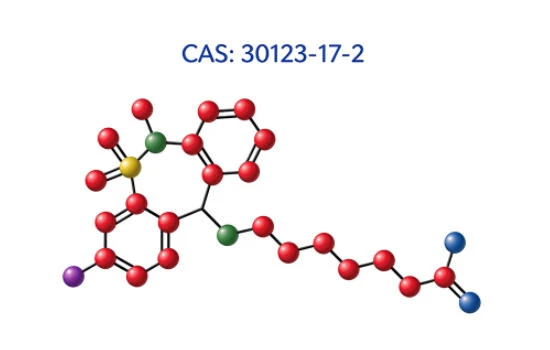
Tianeptine Sodium has a clear and fixed molecular structure, and its active groups can take part in regular chemical modification reactions under stable lab conditions. It works well for substitution and condensation reactions, so researchers can tweak its structure little by little as they need. There is no need to build highly complicated setups for these basic tests, and most common lab equipment can handle these simple transformation tasks without extra trouble. Many researchers favor this kind of substrate because they can start their modification work quickly, instead of spending a long time figuring out whether the base material itself can hold up in the reaction.
Its main chemical frame stays steady under usual reaction conditions. It will not break apart randomly when researchers change its functional groups. This helps keep the reaction plan straightforward and cuts down unwanted side products. Thanks to this stable structure, researchers can separate and collect the target samples much more easily after each reaction. It also makes the whole experiment easier to repeat from one test run to another, which matters a lot for teams that need to check their results many times.
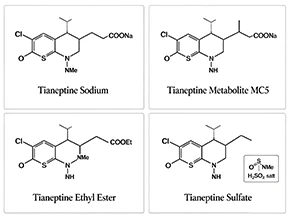
Researchers can create many different derivative structures starting from Tianeptine Sodium. They can change factors like solvent, temperature and catalysts to get different target products, and then check how these new structures perform in follow-up tests. They can also link these modified pieces together to build larger and more complex molecular structures. There is plenty of room to try new ideas in design, and this flexible performance makes it a popular choice for structural modification work.
It is important to keep in mind that its reaction behavior is affected by the surrounding conditions. Even small changes in concentration or heating time can lead to different results. Researchers need to run trial tests to find suitable parameters before starting larger batches of experiments. Keeping reaction conditions well controlled helps them get more reliable results during molecular modification.
2. Market Demand
Widespread market interest
We can see the upward research interest around Tianeptine Sodium from many angles. The points below explain the key reasons behind the growing research demand for this substance.
Steady Demand
The rising interest in Tianeptine Sodium within synthetic research circles mainly comes from the growing demand for diverse chemical building blocks. Many research teams keep looking for reliable starting materials to support their ongoing exploration work. They hope to find materials with consistent properties, so they can keep their test schedules on track without frequent interruptions caused by unstable raw materials.
New Designs
As more new molecular design ideas keep appearing in public research, the need for substrates with flexible reaction features continues to grow. Tianeptine Sodium fits this trend well, since it can be adjusted into different derivative forms for different research goals. A lot of lab work focuses on exploring new transformation routes, and this material gives researchers another practical option for their trials.

Lab Libraries
Besides, more shared lab platforms and research groups are expanding their material libraries. They tend to add widely recognized substrates to their inventory to meet different experimental needs. Materials with enough recorded lab data are always preferred, because they reduce the risk of unexpected failures during testing.
Low Risk
Many research teams avoid little-known new substances with limited test records. These new materials often bring extra uncertainty and extra testing work. Tianeptine Sodium has accumulated plenty of usable reference data, which helps researchers cut down uncertain factors in their lab plans.
3.Target Audience
Different types of users
Researchers that explore Tianeptine Sodium come from many different backgrounds. Each group has its own priorities when picking chemical raw materials. The sections below break down who these main users are and what they really need.
Academic Labs
Tianeptine Sodium is popular among research teams based in university labs. These teams spend most of their time trying out new reaction methods and tweaking molecular structures. They often run round after round of comparison tests, so reliable raw materials are essential for them. Any unexpected trouble with materials can easily hold up their whole testing schedule. They prefer materials with easy-to-check background data, which cuts down the boring prep work before they start their main experiments.
Research Studios
Independent research workshops also make up a large group of users. They take on one-of-a-kind custom lab projects, and they care a great deal about steady material quality and full test records. Most of their work is brand-new exploration. If the raw material acts differently than expected, their entire research plan will get stuck. That is why they look for materials with plenty of past lab data. These references help them skip extra basic checks and keep their research on track.
Shared Platforms
Many shared lab resource platforms also keep Tianeptine Sodium in stock. They stock a wide mix of chemical materials to support researchers with all kinds of test ideas. These platforms need materials that can fit many different experiment setups. With lots of public test records available, Tianeptine Sodium fits this requirement well. The platform can supply this material to many different teams that come to use their shared lab space.
Individual Researchers
Some researchers working on their own also pick Tianeptine Sodium for their trials. They usually begin with small samples to test whether their ideas work. Many of them do not have full lab support, so simple and predictable materials are perfect for these early tests. If the small trial works out nicely, they will get more material and carry on with further testing.
4.Future Trends
Forward Outlook
As research work around Tianeptine Sodium keeps moving forward, we can see several clear directions ahead. The parts below talk about what we can expect for this substrate in later synthetic research.
New Derivatives
More researchers will keep trying to build new derivative structures based on Tianeptine Sodium. They will test different ways to adjust its core structure and side groups, and check how these new structures behave in different lab settings. There is still lots of room to come up with fresh design ideas, and these new structures may open up more possibilities for chemical exploration. Right now, most of the existing research only covers a limited range of modified structures, so researchers are still actively exploring new modification strategies. They will carry out repeated comparison tests to screen out structures with better performance. Once these new derivatives are fully verified, they can become valuable new research objects and bring more creative ideas to the whole field of synthetic exploration.
01
Greener Routes
Many teams are looking for simpler and gentler reaction ways to work with this material. They want to cut down unnecessary chemicals and reduce waste while running tests. These improved reaction plans will make the whole test process easier to repeat, and also bring more stable results for long-term research. Researchers are constantly adjusting factors like temperature, solvents and catalysts to avoid harsh reaction conditions. These optimized methods not only produce less waste, but also lower the safety risks during daily lab work. Gradually, these friendly, low-consumption reaction routes will become the mainstream choice for teams that carry out long-term continuous research.
02
Wider Sharing
More labs and shared research platforms will add Tianeptine Sodium to their standard material list. As more test data gets published, more people will know about this reliable substrate. It will become easier for researchers from different places to copy and check each other's test results. Complete public records will help new researchers quickly get started without spending lots of time on basic property exploration. This open sharing model can also reduce unnecessary repeated work, let research groups learn from each other's experience, and push the overall progress of related synthetic research forward at a faster speed.
03
Stable Supply
With the rising demand for this material, suppliers will keep improving their production and testing steps. They will focus on keeping every batch consistent, and offer clear, complete test records for every shipment. This steady supply support will help research teams stay on track without worrying about material shortages or quality shifts. Suppliers will also build flexible supply plans, covering small sample sizes for early screening and larger bulk quantities for continuous research. Better quality control and stable stock levels will free researchers from the trouble of chasing raw materials, so they can focus all their energy on their core design and testing work.
04
Conclusion
When we look back at the research value, market demand, user groups and future directions of Tianeptine Sodium, we can easily see that this substrate has solid and lasting research potential. Its unique molecular structure, stable core framework and flexible reaction properties make it a practical starting material for all kinds of structural modification and synthetic exploration work. Unlike many newly-reported chemical compounds that carry high uncertainty and require heavy validation work, Tianeptine Sodium already has accumulated abundant usable lab data, which greatly lowers the trial risk and saves much preparatory time for research teams. It fits the needs of university labs, independent research studios, shared lab platforms and individual researchers alike, with each group able to find its own suitable way to use this material. Looking ahead, more new derivative structures will be developed, milder and greener reaction routes will be created, experimental data will be shared more widely, and the supply system will become more mature and stable. All these positive trends will keep supporting continuous exploration around this substance. For anyone engaged in synthetic chemistry research, Tianeptine Sodium will remain a trustworthy, convenient and promising option for ongoing molecular design and lab testing.
Points to Consider During Procurement
Disclaimer: The articles published on this site are mainly used to promote academic exchanges and learning, and do not mean that this site agrees with its views or confirms the authenticity of its contents. Please filter carefully. If you believe this article is infringing, please contact the administrator. We are not responsible for the consequences of using the information and services on this website.
Note: This compound should be used for research purposes only. These claims have not been evaluated by the Food and Drug Administration. Please consult your doctor and learn about available studies before using them. This product is not intended to diagnose, treat, cure or prevent any disease.