

Tetramisole hcl vs Levamisole hcl
Leave a message
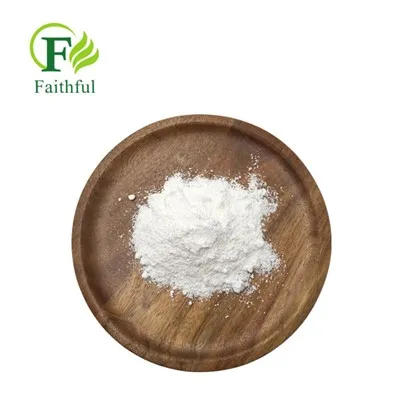
Tetramisole hcl 99% powder is an imidazothiazole-based veterinary anthelmintic raw material. The finished product is a white crystalline powder. It is a racemic parent compound of levamisole and shares a basic chemical skeleton with Levamisole hcl. It achieves in vivo anthelmintic effects by regulating cholinesterase and paralyzing nematode muscles. The two are significantly different in chiral configuration, efficacy, dosage, and compliant application scenarios. It is widely used for the control of nematodes in livestock and poultry, and for anthelmintic effects in aquatic products. It also serves as a standard for cholinesterase inhibitors in biochemical experiments.

⚛️ Racemimidazole-thiazole heterocyclic configuration
Tetramisole hcl 99% powder has the molecular formula C₁₁H₁₃ClN₂S and a molecular weight of 240.75. The molecule consists of a rigid heterocyclic core formed by the fusion of imidazole and thiazole rings. Both levorotatory and dextrorotatory stereoisomers exist at the chiral carbon sites, resulting in an overall racemic equimolar mixture. Hydrochloric acid salt formation modification optimizes the water solubility of the raw material. Pharmaceutical-grade 99% powder is produced by recrystallization to remove inorganic salts and synthetic intermediates, ensuring impurity levels meet veterinary drug raw material control standards.
Levamisole hcl retains only the levorotatory chiral monomer within the Tetramisole molecule, eliminating the dextrorotatory configuration lacking anthelmintic activity. The single chiral structure significantly improves target binding efficiency, doubling the proportion of effective active ingredients at the same mass. The physicochemical solubility of the hydrochloric acid salt formation is essentially the same as that of the racemic raw material, and the heterocyclic bond stability tends to be consistent under acidic and alkaline conditions.
Both products share the same starting materials and cyclization reaction pathway. Tetramisole hcl 99% powder eliminates the chiral resolution step, resulting in a simpler production process and lower industrial production costs. Levamisole hcl, on the other hand, requires additional chiral resolution and purification steps, making the refining process more complex and significantly increasing the unit price of the finished product compared to the racemic precursor.
Both hydrochloride powders are stable under normal temperature, light-proof, and sealed storage conditions. They exhibit heterocyclic ring-opening hydrolysis under strong alkaline conditions, and their aqueous solutions are acidic. They are stable in commonly used feed premix additives and are not prone to physicochemical deterioration.
Regarding stability, Tetramisole hcl powder is relatively stable to light and heat, but the solution may degrade during long-term storage. The supplier recommends storing the powder sealed at -20°C under argon protection for 1-2 years. The solution is stable for approximately one month at 2-8°C. For quality control, key indicators for pharmacopoeia-grade active pharmaceutical ingredients include HPLC, related substances, moisture, heavy metals, and optical rotation.
Structurally, Tetramisole hcl 99% powder has several aliases, including (±)-Tetramisole hydrochloride, DL-6-Phenyl-2,3,5,6-tetrahydroimidazo[2,1-b]thiazole hydrochloride, etc. Its levorotatory isomer has an independent CAS number 16595-80-5 and is more widely used clinically as a human anthelmintic and immunomodulator. In the field of veterinary medicine, "Tetramisole" is often used to refer to racemic mixtures, while "Levamisole" refers to a single isomer with stronger activity.
🎯Blocking the cholinergic system paralyzes the parasite.
After entering the host, Tetramisole hcl powder selectively inhibits cholinesterase activity in nematodes, preventing the normal hydrolysis and accumulation of acetylcholine in the synaptic cleft. It continuously and excessively excites the parasite's striated muscle, inducing short-term muscle spasms and rigidity, causing the worm to lose its ability to adhere to the intestinal wall and be expelled through peristalsis. Only the levorotatory isomer of the racemic configuration exerts its anthelmintic effect; the dextrorotatory fraction has almost no pharmacological activity.
Levamisole hcl is the fully effective chiral configuration. At the same dosage, its cholinesterase inhibitory capacity is approximately twice that of racemic Tetramisole hcl powder, with a faster onset of action. It can achieve full-spectrum nematode eradication at lower concentrations. Both have identical target sites and anthelmintic mechanisms; the difference in efficacy lies only in the proportion of active components.
Both raw materials can mildly regulate the activity of immune lymphocytes in livestock and poultry at low doses, helping to enhance non-specific resistance. However, due to the presence of an ineffective dextrorotatory isoform, Tetramisole hcl powder requires a higher dosage for immune modulation. Levamisole hcl, with its high-purity chiral advantage, is often used as an immune adjuvant in small doses.
Both substances have extremely low affinity for mammalian cholinesterases. At the recommended dosage, they will not damage the neurological function of livestock and poultry hosts, exhibiting a wide safety threshold. Only excessive or high doses will cause transient gastrointestinal stress reactions.

In terms of immunomodulation, the levorotatory isomer of Tetramisole hcl powder, Levamisole, exhibits bidirectional immunomodulatory effects at therapeutic doses. It enhances T lymphocyte function and promotes macrophage chemotaxis, and has been used as adjuvant therapy for rheumatoid arthritis. In antitumor studies, Levamisole has been shown to enhance the antiproliferative effect of 5-fluorouracil, induce tumor cell DNA breaks, cytochrome c release, and caspase-3 activation. This immunostimulatory effect may play a role in adjuvant chemotherapy for colon cancer.
At the neuropharmacological level, in vivo animal experiments have shown that Tetramisole treatment significantly increased stereotyped behaviors in mice and shortened the time required to complete negative geotropic tasks. This effect suggests that Tetramisole may participate in the regulation of behavioral patterns through its effects on the central nervous system, but the specific molecular mechanisms are not yet fully elucidated.
🧬Veterinary deworming and biochemical reagents
Tetramisole hcl powder is primarily used as a raw material for economical premixed deworming agents in livestock and poultry feed. It is mainly used for broad-spectrum nematode control in large-scale pig and poultry farms, leveraging its cost advantage to achieve widespread adoption in small and medium-sized farms. It is rarely used in the preparation of high-end veterinary drug injections and is routinely administered as a powder mixed into feed.
Levamisole hcl is suitable for the production of high-end injections and oral liquids. It can be formulated into subcutaneous injection preparations for symptomatic treatment of severe nematode infections in young animals. It is also compliantly used for deworming in some special economic animals, and has a higher market share in veterinary prescription drugs.
In the biochemical laboratory field, both high-purity raw materials can be used as control reagents for in vitro cholinesterase inhibition assays. Tetramisole hcl powder is mainly used for coarse screening tests, while Levamisole hcl calibration-grade products are used as national standard testing reference materials for precise determination of enzyme activity parameters.
In the aquaculture sector, Tetramisole hcl powder is widely used in feed to control intestinal nematodes in fish. It occupies the low-end deworming raw material market in aquaculture due to its cost-effectiveness. Levamisole is mostly used for the refined disease prevention and control of high-value aquatic products.
In the field of biochemical research reagents, Tetramisole hcl powder is the "gold standard" tool for alkaline phosphatase (ALP) inhibition. In detection techniques such as immunohistochemistry, in situ hybridization, and Western blotting, the activity of endogenous ALP generates a high background signal, interfering with the specific detection of target molecules. Adding Tetramisole (typically at a working concentration of 0.5-2 mM) to the reaction system can effectively suppress this interference from endogenous ALP.
In drug development and screening, Tetramisole serves as a chemical probe to study the role of ALP in bone metabolism, inflammation, and tumorigenesis. Due to its potent inhibition of bone-type ALP, it is frequently used in in vitro mechanism studies of osteoporosis and osteosarcoma. In structural biology, comparing the structure-activity relationship of Tetramisole hcl powder and its derivatives can reveal the binding mode of ALP inhibitors to the enzyme's active site, providing structural templates for developing highly selective ALP inhibitors.
🔭Process optimization and application expansion
The green synthesis process for Tetramisole hcl 99% powder continues to iterate, employing low-temperature catalytic cyclization to reduce byproduct formation, maintaining a stable 99% purity in the finished product, further reducing mass production costs, and solidifying its position as an affordable anthelmintic.
A new chiral resolution process utilizes the in-situ conversion of racemic Tetramisole to prepare Levamisole hcl, simplifying resolution losses and achieving targeted separation of the single-helical form from the racemic API, thus completing the entire industrial chain.
Sustained-release coating formulation development is progressing simultaneously for two products. The modified coating powder avoids premature drug degradation by gastric acid, prolonging the intestinal release cycle and reducing the frequency of single-dose administration. The Tetramisole-coated product targets economical sustained-release veterinary drugs, while the levamisole-coated product targets high-end livestock and poultry medications.
Combined anthelmintic formulations are continuously being improved. Tetramisole hcl 99% powder combined with albendazole creates a broad-spectrum compound powder, addressing both nematodes and tapeworms. Levamisole and ivermectin are being combined to develop high-end compound formulations.
In the pesticide field, low-concentration Tetramisole is being explored as a soil nematode inhibitor. Agricultural insect repellent adjuvants are being developed based on low cost. However, due to cost constraints, levamisole has rarely been extended to the agricultural field.
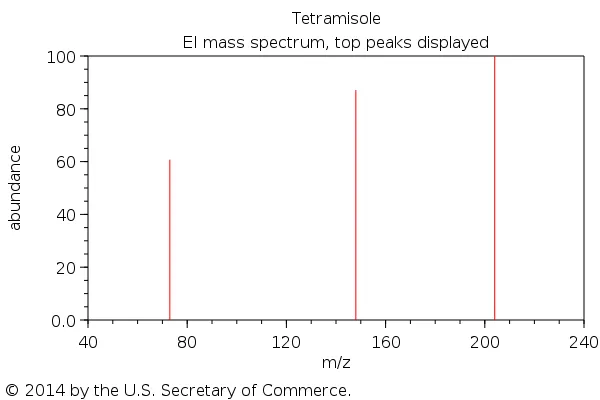
In terms of active pharmaceutical ingredient (API) supply, high-purity Tetramisole hcl powder is primarily used to meet the quality requirements of veterinary drug formulations and research reagents. Its synthesis process involves the construction of imidazole and thiazole rings and the resolution of racemic mixtures. Because Tetramisole is an anthelmintic, its veterinary formulations often require control of related substances and heavy metal residues. In toxicology, Tetramisole hcl powder is classified as a Class 3 acute toxicity substance, classifying it as a hazardous material. In humans and animals, excessive exposure may lead to nausea, vomiting, headache, leukopenia, and even agranulocytosis. Regarding illicit drug adulteration, the case of levamisole hydrochloride adulterated with cocaine, resulting in severe neutropenia and cutaneous vasculitis, has drawn significant attention from forensic toxicology.
In quality control, the determination of Tetramisole hcl powder content, enantiomeric purity, and stability are core quality control points for API manufacturers. Small packaging for research purposes differs from large packaging in veterinary drug production in terms of particle size, crystallinity, and impurity profiles; researchers must select appropriate specifications based on their intended use.
Conclusion
Tetramisole hcl powder is a functional molecule that bridges the gap between "pasture deworming" and "laboratory enzyme inhibition." In the veterinary field, it is a classic dewormer for controlling intestinal nematodes; in life science research, it is a standardized tool for eliminating background interference from alkaline phosphatase. Its levorotatory isoform, Levamisole, has further expanded its applications to include immunomodulation and adjuvant antitumor therapy. As a high-purity active pharmaceutical ingredient, Tetramisole maintains a stable market share in clinical diagnostic kits and molecular biology reagents due to its highly selective inhibition of ALP.
As a leading supplier of Tetramisole hcl 99% powder, we understand the critical importance of supply chain stability in a competitive market. Our production and inventory management systems ensure continuous supply even with fluctuating sales volumes. Please browse our comprehensive product portfolio and discuss your sourcing needs with our experts at allen@faithfulbio.com.
References
- Van der Bossche, H. (2020). Stereochemical pharmacology of tetramisole and levamisole. Veterinary Parasitology, 281, 109125.
- Martin, R. J., et al. (2021). Cholinergic inhibition mechanism of imidazothiazole anthelmintics. International Journal for Parasitology, 51(8), 629–638.
- Li, H. W., et al. (2022). Industrial purification of 99% tetramisole hydrochloride powder. Journal of Chemical Engineering Data, 67(7), 2598–2605.
- Singh, D. K. (2023). Cost comparison of racemic tetramisole vs chiral levamisole in livestock deworming. Journal of Applied Animal Research, 51(1), 456–463.
- Thompson, A. L., et al. (2023). Enteric coated formulation development of tetramisole hydrochloride. Powder Technology, 427, 118792.