


Human chorionic gonadotropin (HCG) is a glycoprotein hormone secreted by trophoblast cells of the placenta α and β The glycoprotein composition of the dimer. α The subunits are basically similar to FSH (follicle-stimulating hormone), LH (luteinizing hormone), and TSH (thyroid-stimulating hormone) secreted by the pituitary gland, so they can cross-react with each other β The structures of subunits are different. Women suffer from hydatidiform mole, trophoblastic tumor, lung cancer, colorectal cancer, ovarian cancer, and so on. The level of human chorionic gonadotropin is often abnormally elevated. In general, the hormone level in the body is 0-3iu / ml without pregnancy, which is normal, and the clinical indicators of different hospitals are different.
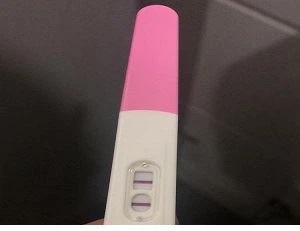
| At the beginning of pregnancy, human chorionic gonadotropin doubled the next day, indicating good embryonic development. HCG, the most commonly used "pregnancy test" hormone, is often used to judge whether you are pregnant. For example, early pregnancy test papers and pregnancy test sticks use this principle. |
| HCG can stimulate the conversion of the corpus luteum from menstrual corpus luteum to pregnant corpus luteum, promote the continuous secretion of estrogen and progesterone, maintain the morphology of endometrium, promote the formation of uterine decidua, and make the placenta grow and mature. It is very important to maintain pregnancy. If it does not increase or increases slowly, the possibility of embryo suspension or ectopic pregnancy cannot be ruled out. Therefore, the examination of this hormone elevation after pregnancy has important diagnostic value. |
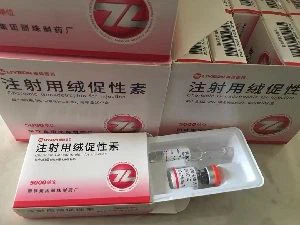
What is HCG (Human chorionic gonadotropin)?
HCG (human chorionic gonadotropin) is a glycoprotein hormone secreted by trophoblast cells of the placenta.
After the egg successfully combined with sperm lands on the uterine wall, the fertilized egg will stretch out many small tentacles to grasp the inner wall of the uterus in order to settle firmly in the uterus. These small tentacles are human villi, and HCG is a hormone secreted by human villi, which is fully called human chorionic gonadotropin.
Classification of HCG (type, inspection time; Correct rate)?
HCG can be divided into blood HCG and urine HCG. After HCG secretion, it first enters the blood circulation, and then enters the urine. It can be used to detect whether you are pregnant or not, and the blood HCG needs to go to the hospital for examination. The result is more accurate, the error is small, the accuracy rate is 99%, and it can be detected in advance. Urine HCG is a self-test method with ovulation test paper or pregnancy test stick, and the accuracy rate is between 50% and 75%.
HCG is secreted by trophoblast cells of the placenta, which begin to secrete slowly after fertilization, but it needs to reach a certain concentration to be detected. Urine detection of HCG usually takes at least 11 to 14 days after sexual intercourse, and blood HCG examination may be earlier, which can be reflected in a week or so.
What should I pay attention to when checking HCG?
A blood HCG examination does not need fasting. Blood HCG examination can determine whether a woman is pregnant by measuring the HCG value in her blood. With regard to urine test HCG, in essence, urine can be taken at any time of the day, but the first urine in the morning is the most accurate, and urine will be diluted after drinking water. So it's best to go on an empty stomach.