



Amoxicillin Raw Material CAS 26787-78-0
Product Name:Amoxicillin
CAS NO.:26787-78-0
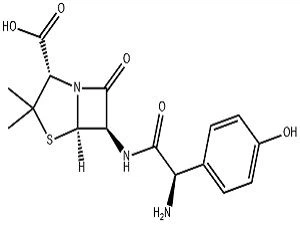
Molecular Formula:C16H19N3O5S
Purity & Grade: 99% HPLC; Veterinary grade
MOQ & Package: 10g; Package according to demand
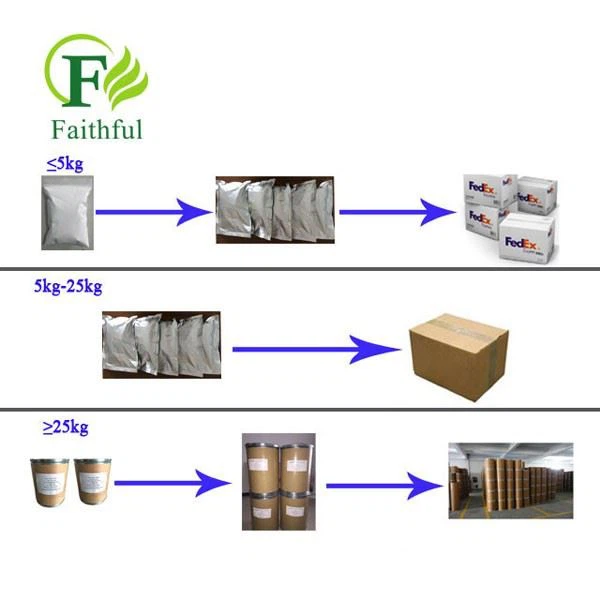
Shipping: Safe and fast delivery
Store & Shelf life: Cool & dry place; 24 months
Lead Time: 1-3 days
Warehouse: USA and Germany warehouse
We supply SARMS, Steroids powder, Nootropic, Sex powder, Weight loss raw powder, Anti-cancer raw powder, Painkiller raw powder, lyophilized peptide, etc.
Description
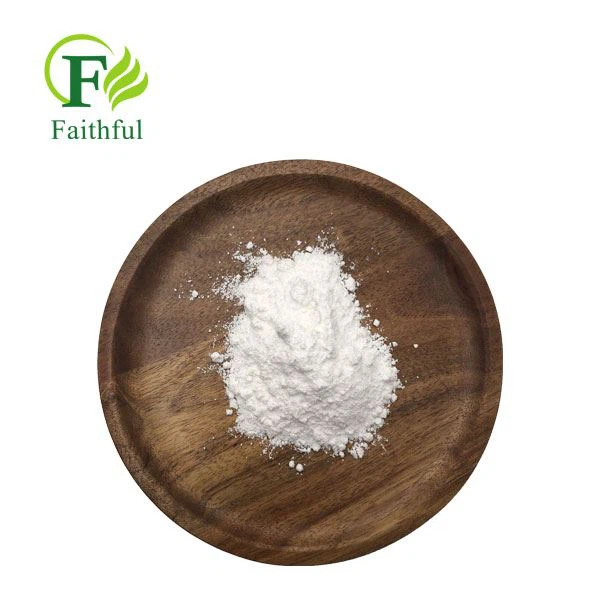
Amoxicillin Raw Material, one of the most commonly used penicillin broad-spectrum β -lactam antibiotics, is a white powder with a slightly bitter taste. Its molecular formula is C16H19N3O5S, molecular weight: 365.4, melting point: 140 °C, boiling point: 743.2±60.0 °C(Predicted), density: 1.54g/cm3, which is relatively stable. It is stable under acidic conditions, and the absorption rate of the gastrointestinal tract reaches 90%. It has the characteristics of a strong bactericidal effect and strong cell membrane penetration. It is also one of the semisynthetic penicillins widely used in clinics at present. Its preparations include capsules, granules, tablets, injections, etc. Now it is often used together with clavulanic acid and sulbactam to make injections.
What is Amoxicillin?
Penicillin was the first natural antibiotic used clinically in the 1940s, and then a series of semi-synthetic penicillins were developed based on the chemical structure of penicillin.
Penicillin has another name called penicillin, which is an old medicine with a long history. Amoxicillin also has a name called amoxicillin. They are all penicillin antibiotics.
1. In terms of the structure of the drug, Amoxicillin Raw Material is based on penicillin, with one more hydroxyl group and one more amino group, so it is called amoxicillin.
2. From the antibacterial spectrum, penicillin G, which we usually call penicillin, belongs to narrow-spectrum penicillin. It is effective for Gram-positive cocci such as Streptococcus pneumonia, Gram-positive bacilli such as Listeria, Gram-negative cocci such as Neisseria gonorrhoeae, and most anaerobic bacteria, but it is ineffective for Gram-negative bacilli.
Amoxicillin belongs to broad-spectrum penicillin. Besides the bacteria covered by penicillin, it also has good antibacterial activity against Escherichia coli, Proteus mirabilis, Salmonella, Shigella, and Haemophilus influenza. Penicillin's only inhibitory effect on self-enterococcus often needs to be combined with other antibiotics. Amoxicillin has a stronger effect on enterococcus than penicillin. Amoxicillin can also kill Helicobacter pylori.
And the two are similar but different. Penicillin mainly kills bacteria in the proliferation stage, and has a relatively strong bactericidal effect on Gram-positive bacteria and Gram-negative cocci, while amoxicillin has a slightly lower bactericidal effect on Gram-positive bacteria, but it has a relatively strong bactericidal effect on Gram-negative bacteria such as tetanus and Helicobacter pylori. We often say that amoxicillin is one of the commonly used quadruple drugs for treating Helicobacter pylori infection.
3. Amoxicillin, semi-synthetic penicillin, has both injections and oral preparations, but penicillin, only injections, is only used for injection and intravenous drip. Both of them use penicillin as a skin test. Test negative skin before use.
4. Different indications, amoxicillin can be used to treat typhoid fever and typhoid fever carriers; It can also be combined with clarithromycin and lansoprazole to eradicate Helicobacter pylori in the stomach and duodenum and reduce the recurrence rate of peptic ulcer. But penicillin does not have these indications.
5, dosage form, penicillin G is not acid-resistant and can be quickly inactivated by gastric acid after oral administration, only absorbing about 15% of the dosage. Therefore, penicillin G only has an injection type.
However, amoxicillin is not destroyed by gastric acid when taken orally, and it can be absorbed quickly and completely, and can absorb about 60%-75% of the dosage. Therefore, amoxicillin has not only injections but also oral dosage forms.
|
|
| Real shot pictures of Amoxicillin powder | Amoxicillin structure diagram |
What are the functions of amoxicillin?
Amoxicillin Raw Material is a broad-spectrum semisynthetic penicillin antibacterial drug, which is clinically used to treat tonsillitis and laryngitis.
It is an antibacterial drug, and its function and application are similar to those of benzyl chloride. Its advantages are that the serum protein binding rate is low, and the blood concentration is more than two times higher than that of ampicillin. Amoxicillin is a kind of medicine with good curative effects, safety, and effectiveness. It was developed by Beecham Company in 1968. Its antibacterial mechanism is that it interferes with the synthesis of cell wall mucin of sensitive bacteria, inhibits the metabolic enzymes of bacteria, triggers the activity of autolytic enzymes of bacteria, and causes bacteria to swell, deform, rupture, dissolve and die.
Amoxicillin can be used to treat typhoid fever, other Salmonella infections, and typhoid carriers with satisfactory curative effects. The treatment of urinary tract infections caused by sensitive bacteria that do not produce β lactamase also achieves a good curative effect. For patients with lower urinary tract infection, urethritis, and cervicitis of Neisseria gonorrhoeae that do not produce β lactamase, a single oral dose of 3g can achieve a satisfactory curative effect. Amoxicillin can also be used for leptospirosis. It can also be used for urogenital infections caused by sensitive Escherichia coli, and Proteus mirabilis. Combined with clarithromycin and lansoprazole, it has a good therapeutic effect on Helicobacter pylori infection.
Is amoxicillin a panacea?
A few days ago, my good friend said that my body was not feeling well recently, and my chest was aching faintly. My friends around me began to have a heated discussion: some said it was a stomach problem, some said it was a heart problem, but in the end, they agreed to go back and use it. Amoxicillin is anti-inflammatory and will be fine the next day.
In daily life, everyone regards amoxicillin as a "panacea" - one for a cold, one for fever, even if you can't tell where you are uncomfortable, just take one.
However, although amoxicillin is "good to use", it also needs to be used properly.
The name "amoxicillin" must be very familiar to people who always have colds and fevers.
Over time, many people think that amoxicillin is an antibacterial and anti-inflammatory drug.
As everyone knows, in fact, amoxicillin is a penicillin antibiotic, the most critical role is to kill bacteria, suitable for otitis media, sinusitis, ear, nose, and throat infections, and other lower respiratory tract infections.
It must be noted that inflammation and infection are different concepts, and medicines are also different.
Inflammation is the body's response to adverse external stimuli, and infection is the invasion of pathogenic bacteria.
Infection always causes inflammation, but inflammation does not necessarily cause infection.
Self-use has certain safety risks
Amoxicillin has a relatively strong presence in ordinary families, and although it is a prescription drug, it is generally available in pharmacies.
Many people still keep amoxicillin at home and take two capsules for colds and fever.
But amoxicillin is not the drug of choice for respiratory diseases such as colds and fever.
Most respiratory illnesses such as colds and fevers are caused by viruses, not bacterial infections, so amoxicillin is not necessary.
In addition, we must also advise everyone that long-term use of amoxicillin is not only easy to cause allergies, but also increases the burden on the liver, and is more likely to develop drug resistance, resulting in a "no drug available" situation.
Therefore, before prescribing amoxicillin to the patient, the attending doctor will ask the patient whether there is an allergy to amoxicillin.
In clinical medicine, a penicillin skin test must be performed before using amoxicillin to avoid severe allergic reactions.
If a serious abnormal reaction occurs after taking amoxicillin, the drug should be discontinued immediately.
Amoxicillin is a penicillin antibiotic with a strong bactericidal effect. In addition to the gram-positive bacteria that common penicillin can fight against, it also fights against gram-negative bacilli such as Escherichia coli and Haemophilus influenza.
When should amoxicillin be used?
Therefore, amoxicillin has many indications and is often used to treat the following infections:
(1) Bacterial upper respiratory tract infections such as otitis media, sinusitis, pharyngitis, and tonsillitis;
(2) Bacterial lower respiratory tract infections such as acute bronchitis and pneumonia;
(3) Urinary and reproductive system infections;
(4) Skin and soft tissue infections;
What are the side effects of amoxicillin?
1. Gastrointestinal reactions: nausea, vomiting, diarrhea, and pseudomembranous colitis.
What to do: Nausea and diarrhea are common side effects of amoxicillin. In order to prevent diarrhea, the diet should be light, and the medicine can be taken 2 hours after meals. To treat diarrhea caused by amoxicillin, take oral rehydration salts and stay well hydrated. If you have symptoms of dehydration or blood in your stool, seek medical attention immediately.
2. Allergic reactions: rash, drug fever, asthma, even coma, shock, etc.
Response: Minor allergic reactions include rash, itching, and hives. Antihistamines and hydrocortisone can be used to relieve mild symptoms. There is no need to worry too much at this time, but you should always pay attention to whether the rash or red skin continues to spread to prevent the condition from getting worse. Get medical attention right away if you have signs of a severe allergic reaction with swelling of your face, lips, tongue, or shortness of breath.
3. Central nervous system symptoms: occasional excitement, anxiety, insomnia, dizziness, and abnormal behavior.
Coping: After taking amoxicillin, it may cause sleep disorders such as difficulty falling asleep, getting up early, and frequently waking up at night. In severe cases, the drug should be stopped and the doctor should go to the hospital.
4. Superinfection caused by Candida or drug-resistant bacteria.
Response: If this occurs, seek medical attention immediately.
What are the top 10 taboos for using amoxicillin?
1. People who are allergic to penicillin can't take it: Amoxicillin is one of the most commonly used semi-synthetic penicillin broad-spectrum β -lactam antibiotics, and those who are allergic to penicillin should be banned.
2. Can't be used with antibacterial drugs: Amoxicillin plays a role in the breeding period of bacteria, and antibacterial drugs will inhibit its pharmacological effects in the breeding period. When the two drugs are used together, the bactericidal effect of amoxicillin will be greatly reduced.
3. Don't take amoxicillin at the same time as biological agents: Amoxicillin and biological agents (Mamiai, Jin Shuangqi, etc.) should be taken separately, usually with an interval of 2-3 hours, so as not to affect the efficacy of biological agents as active bacteria.
4. It can't be taken at the same time as probenecid: it can delay the renal excretion of amoxicillin (competitively reduce the renal tubular secretion of amoxicillin) and prolong its serum half-life, thus increasing the blood concentration of this product and the incidence of adverse reactions.
5. Can't be used with methotrexate: When amoxicillin is used with methotrexate, the renal clearance rate of methotrexate can be reduced, thus increasing its toxicity of methotrexate.
6. Can't be taken at the same time as the contraceptive pill: When taken together with the contraceptive pill, amoxicillin will interfere with the normal absorption of the contraceptive pill in the stomach or liver, resulting in the decrease of the effect of the contraceptive pill.
7. Don't take it together with allopurinol uric acid synthesis inhibitor: allopurinol uric acid synthesis inhibitor will increase the probability of skin adverse reactions after taking amoxicillin, and the risk will be greatly increased.
8. Do not take it with water with too high a temperature: If you encounter a physically sensitive person when you take it orally, and if you take it improperly, you may have allergic symptoms similar to penicillin. Studies have shown that amoxicillin is easy to produce allergic polymers at high temperatures, and generally, 60℃ can be used as its critical temperature value. Therefore, amoxicillin granules should be taken with warm water.
9. Can't eat celery: After eating celery, amoxicillin will be absorbed by crude fiber, which will lead to the decrease of its drug concentration in the gastrointestinal tract, and ultimately can't achieve the purpose of the medication.
Except for celery, most vegetables such as bean sprouts, eggplant, and leeks, as well as kelp, laver, and potatoes, are rich in crude fiber. When taking amoxicillin, it is best not to touch them.
10. Don't drink alcohol: Amoxicillin is a semi-synthetic drug belonging to penicillin, and the drug instructions of Amoxicillin don't emphasize the precautions for the prohibition of alcohol; However, according to relevant literature, there are reports of disulfiram reaction after taking amoxicillin after drinking.
How to choose more products
Tylosin tartrate | 74610-55-2 |
Tylosin Phosphate | 1405-53-4 |
Tetracycline HCl/Tetracycline hydrochloride | 64-75-5 |
Oxytetracycline HCl/Oxytetracycline Hydrochloride | 2058-46-0 |
chlortetracycline HCl/Chlortetracycline hydrochloride/Aureomycin hydrochloride | 64-72-2 |
amoxicillin | 26787-78-0 |
Amoxicillin trihydrate | 61336-70-7 |
Gentamycin Sulfate | 1405-41-0 |
lincomycin HCl/ | 859-18-7 |
Ampicillin sodium | 69-52-3 |
Ceftizoxime Sodium | 68401-82-1 |
cefazolin sodium | 27164-46-1 |
Cefotaxime sodium | 64485-93-4 |
Ceftriaxone sodium | 74578-69-1 |
Ceftiofur sodium | 104010-37-9 |
Ceftiofur hydrochloride/Ceftiofur HCl | 103980-44-5 |
Doxycycline Hyclate | 24390-14-5 |
Vancomycin Hydrochloride | 1404-93-9 |
Spectinomycin hydrochloride | 21736-83-4 |
Chloramphenicol | 56-75-7 |
clindamycin HCl/Clindamycin hydrochloride | 21462-39-5 |
Potassium clavulanate/Clavulanate Potassium | 61177-45-5 |
Enrofloxacin hydrochloride | 112732-17-9 |
Sulfaquinoxaline | 59-40-5 |
Sulfaquinoxaline sodium | 967-80-6 |
Furazolidone | 67-45-8 |
Levofloxacin hydrochloride | 177325-13-2 |
Moxifloxacin | 151096-09-2 |
Sulfamethazine | 35762-76-6 |
Florfenicol | 73231-34-2 |
Flunixin meglumine | 42461-84-7 |
Phenylbutazone | 50-33-9 |
Sodium Butazolidine | 129-18-0 |
Send your Inquiry for more details, Click email:allen@faithfulbio.com Now.
You can also contact me via WhatsApp:+86 13137770562




A variety of shipping methods for you to choose
Transportation Time | Shipping method | Cargo weight requirements | Advantage |
3-7 days | DHL,Germany DHL,Germany DPD, | Suitable for under 50kg. | We have warehouses in Germany and California, the USA, |
7-15 days | By Air | Suitable for more than 50kg. | |
15-60 days | By Sea | Suitable for more than 500kg. |
Disclaimer: The articles published on this site are mainly used to promote academic exchanges and learning, and do not mean that this site agrees with its views or confirms the authenticity of its contents. Please filter carefully. If you believe this article is infringing, please contact the administrator. We are not responsible for the consequences of using the information and services on this website.
Note: This compound should be used for research purposes only. These claims have not been evaluated by the Food and Drug Administration. Please consult your doctor and learn about available studies before using them. This product is not intended to diagnose, treat, cure or prevent any disease.
Hot Tags: amoxicillin raw material cas 26787-78-0, China, suppliers, manufacturers, factory, customized, wholesale, buy, price, bulk, pure, producer, discount, for sale, in stock, free sample, raw powder, raw material, made in China
Send Inquiry
You Might Also Like