



What is Limonin Powder?
Xi'an Faithful BioTech Co., Ltd. is situated in Xi'an, the birthplace of the ancient Silk Road. Leveraging the city's mature logistics network and abundant fine chemical industrial resources, our enterprise has grown into an integrated fine chemical provider that delivers products to global partners. Limonin Powder, CAS 1180-71-8, is a natural tetracyclic triterpenoid furanolactone compound with the molecular formula C₂₆H₃₀O₈ and a molecular weight of 470.51. In its high-purity form, it is a white crystalline powder. This substance is naturally abundant in citrus fruits (Rutaceae family). The peels, pulps, and seeds of lemons, grapefruits, and sweet oranges are the main extraction raw materials. It can also be isolated from the bark of traditional herbs such as Phellodendron bark and Dictamnus dasycarpus. The bitterness that occurs in citrus juice after storage is due to the hydrolysis and conversion of non-bitter precursors in the juice into this substance, making it a core target component for debittering processes in the juice processing industry.

Application of Limonin Powder
Currently, this natural extract has diverse applications. In the food processing industry, it is used to optimize the flavor of citrus beverages and as a natural bitter flavoring ingredient to formulate functional drinks. In the chemical testing industry, it is often used to produce 98% high-purity standard references for the quantitative detection of relevant components in various citrus products and herbal extracts. In the agricultural and forestry industry, it can be developed as a plant-derived repellent material, relying on its natural properties to reduce the use of exogenous chemical raw materials in the planting process. At the same time, a large number of laboratory studies continue to explore its inherent biological characteristics. This substance has excellent free radical scavenging ability, can regulate the body's internal oxidation balance, and can also gently regulate various signaling pathways in the body. It has a positive regulatory effect on liver lipid accumulation and local cellular stress response. Related basic experiments continue to improve the mechanism of action of its natural activity, providing sufficient theoretical support for the subsequent development of functional raw materials. Overall, it belongs to a natural plant secondary metabolite with sufficient development potential and a green and sustainable source.
COA
| Test Item | Specification | Test Result |
| Appearance | White crystalline powder | Complies |
| Odor &Taste | Characteristic bitter taste | Complies |
| Melting Point | 296~300℃ | 297.8℃ |
| Specific Rotation [α]D20 | -125°~-132°(in Acetone) | -128.1° |
| Assay(HPLC) | ≥ 98.0% | 98.62% |
| Loss on Drying | ≤0.50% | 0.21% |
| Residue on Ignition | ≤0.10% | 0.05% |
| Heavy Metals Total | ≤10 ppm | <2 ppm |
| Lead(Pb) | ≤2 ppm | <0.1 ppm |
| Arsenic(As) | ≤1 ppm | <0.1 ppm |
| Conclusion | Conform with enterprise specification | |
Click email:sales4@faithfulbio.com Or WhatsApp:+86 17782784907

Density 1.39±0.1 g/cm3 (Predicted)
Boiling point 67 °C
Melting point 298ºC
Molecular formula C26H30O8
Molecular weight 470.51
Flash point 358.0±31.5 °C
Exact mass 470.194061
PSA 104.57000
LogP 1.66
Mechanism of action of Limonin Powder
1. Activating the Nrf2 antioxidant pathway and scavenging free radicals:
It can drive the translocation of Nrf2 protein to the cell nucleus, upregulate the expression of endogenous antioxidant proteins such as HO-1, SOD, and glutathione, directly neutralize intracellular reactive oxygen species, reduce the accumulation of oxidative metabolic byproducts, reduce mitochondrial oxidative damage, stabilize the intracellular oxidative balance, and alleviate oxidative stress damage caused by various external stimuli.
2. Regulating the NF-κB and AMPK/mTOR pathways and alleviating local stress signals:
It blocks TLR4-mediated NF-κB signaling, downregulates the release of stress-related factors such as IL-6, TNF-α, and IL-1β; simultaneously activates AMPK signaling and inhibits mTOR pathway activity, reduces abnormal immune cell infiltration, adjusts cellular energy metabolism patterns, reduces abnormal mitochondrial production of reactive oxygen species, and alleviates local imbalances in tissues such as the skin, liver, and intestines.
3. Activate the PPARα pathway and regulate lipid metabolism in vivo: Upregulate the expression of PPARα, PGC1α, and CPT1α lipid oxidation-related genes, accelerating fatty acid decomposition and oxidation; inhibit SREBP1 and FASN lipid synthesis transcription factors, reducing lipid droplet accumulation; simultaneously regulate the gut microbiota-bile acid-FXR metabolic axis, promoting bile acid excretion, balancing lipid synthesis and decomposition, improving excessive lipid accumulation, and simultaneously increasing autophagy levels to clear lipid metabolic waste.
4. Regulate mitochondrial homeostasis and cell proliferation balance: Intervene in mitochondrial energy metabolism, reduce abnormal glycolysis activity, and balance the proportion of mitochondrial apoptosis-related proteins; downregulate the activity of pro-proliferation signaling axes such as PI3K/Akt and Wnt, limiting excessive cell proliferation; strengthen the autophagy pathway, clear damaged mitochondria, reduce the accumulation of abnormally metabolized cells, and maintain normal cell cycle homeostasis.
5. Regulating the Gut Microbiota and Bile Acid Metabolism Axis: Altering the gut microbiota structure, reducing the abundance of bile salt hydrolysate bacteria, and increasing the content of conjugated bile acids; inhibiting intestinal FXR signaling, downregulating FGF15 expression, regulating hepatic lipid metabolism through enterohepatic circulation, establishing a metabolic regulatory pathway between the gut and liver, and improving lipid metabolism disorders from an endogenous circulation level.
6. Interfering with Physiological Processes Related to Exogenous Microbial Replication: By binding to microbial proteases and transcription-related structures, interfering with microbial nucleic acid replication and protein assembly processes, and inhibiting microbial proliferation cycles, the system achieves a restraining effect on the growth activities of various exogenous microorganisms through natural molecular structures.

why choose us
We adhere to the principle of "customer first, honesty first", and always provide customers with high-quality and efficient products and high-quality services. Choose faithfulness. Choose a healthy life!
With our continuous efforts and good service, we sincerely hope to establish long-term cooperation and common development with customers and give us a chance. We believe that we will satisfy you with first-class quality, safe and fast delivery and enthusiastic after-sales service.
Our Factory
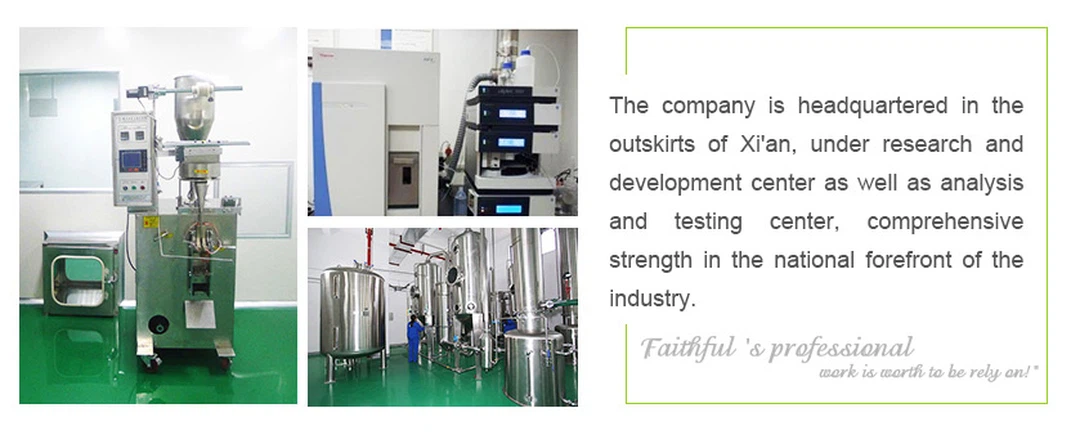

Package

Shipping Methods
| Transportation Time | Shipping method | Cargo weight requirements | Advantage |
| 3-7 days | DHL,Germany DHL,Germany DPD, UPS,USPS,FedEx,TNT,EMS |
Suitable for under 50kg. International door to door express |
We have warehouses in Germany and California, USA, and customers in Europe and America can enjoy sending goods directly from these two places. |
| 7-15 days | By Air | Suitable for more than 50kg. fast and cheaper for large order |
|
| 15-60 days | By Sea | Suitable for more than 500kg. Cheapest shipping way |
FAQ
01. In which plants is Limonin primarily found?
Limonin Powder is mainly concentrated in the peel, white pith, and seeds of citrus fruits such as lemons, grapefruits, and oranges (all belonging to the Rutaceae family). It is also found in herbaceous plants such as Phellodendron bark, Evodia fruit, and Dictamnus root bark.
02. How stable is Limonin under room temperature conditions?
It is stable under dry, dark, and sealed conditions. It can be stored for a long time simply by avoiding strong oxidizing environments.
03. What are the common purity levels of Limonin available on the market?
The mainstream purity levels of Limonin are 30%, 90%, and 98%. 98% purity is mostly used for laboratory testing and basic research.
Click email:Sales4@Faithfulbio.Com Or WhatsApp:+86 17782784907
Disclaimer: All conventional products (non-customized products) pictures are taken in kind, but due to the influence of light (different time, different background light), shooting method, different display equipment parameters and other factors, there may be some differences between the picture and the real color, product color, please take the real effect prevail, product color difference is not a product quality problem.
Note: Always consult a qualified health practitioner before taking any new medication. This product is not intended to diagnose, treat, cure or prevent any disease.At the time of purchase, the international buyer agrees to assume the risk of all items arriving. We cannot replace lost or impounded items. Before sending items, you need to confirm that you agree to these terms.This is only a recommended dose based on our own experience and anecdotal evidence. We recommend that you do your own research before using this product.
Statement: This product is only used for scientific research, and the consequences of other uses are not responsible.
Hot Tags: limonin powder cas 1180-71-8, China, suppliers, manufacturers, factory, customized, wholesale, buy, price, bulk, pure, producer, discount, for sale, in stock, free sample, raw powder, raw material, made in China