



Product description

3,3',5-Triiodo-L-thyronine CAS 6893-02-3 (T3) is a hormone secreted by the thyroid gland. It is formed by the condensation of L-3-monoiodotyrosine and L-3,5-diiodotyrosine. Its content in thyroid tissue and blood is much lower than that of thyroxine, but its biological activity is 5 to 10 times higher. T3 promotes metabolism and energy release; it also promotes growth and development. A normal adult thyroid gland secretes 30 μg of T3 daily. 20% of plasma T3 comes from direct thyroid secretion, and 80% comes from the peripheral conversion of plasma T4.
Increasingly, researchers are focusing on the relationship between thyroid dysfunction (such as low T3 syndrome) and cardiovascular sclerosis. Patients with cardiovascular diseases (coronary artery disease, heart failure, etc.) often exhibit low T3 levels, and low T3 levels are significantly correlated with the occurrence and severity of coronary artery disease. Accumulated experimental data show that increasing postoperative plasma T3 or supplementing cardioplegic solution with T3 can promote cardiac function recovery after cardiopulmonary bypass (CPB) surgery in humans or animal models, or after reperfusion of an isolated heart, and can reduce myocardial cell structural damage and enhance the myocardium's resistance to free radicals.

Send your Inquiry for more details, Click email:sales4@faithfulbio.com
COA
| Tests | Specifications | Results |
| Appearance | Red or off white crystalline powder | Complies |
| Identification | HPLC:Consistent with reference standard | Complies |
| Assay(HPLC) | ≥99.5% | 99.9% |
| Water Content | ≤0.1% | 0.12% |
| pH Value | 4.0-5.5 | 5.0 |
| Residue on Ignition | ≤0.1% | 0.02% |
| Heavy Metals | ≤10 ppm | 2ppm |
| Related Substances (HPLC) |
Total impurities≤1.5% | 0.15% |
| Individual impurity ≤0.2% | 0.10% | |
| Microbial Limits | Total Aerobic Count:<1000 CFU/g | <100 CFU/g |
| Yeast &Moulds:<100 CFU/g | <10CFU/g | |
| E.Coli Negative | Negative | |
| Salmonella Negative | Negative | |
| Conclusion | Conform with enterprise specification | |
Send your Inquiry for more details, Click email:sales4@faithfulbio.com

Density: 2.4±0.1 g/cm³
Boiling point: 563.5±50.0 °C at 760 mmHg
Melting point: 234-238 °C (lit.)
Molecular formula: C15H12I3NO4
Molecular weight: 650.974
Flash point: 294.6±30.1 °C
Exact mass: 650.790039
PSA: 92.78000
LogP: 5.08
What dietary precautions should be taken for patients with low 3,3',5-Triiodo-L-thyronine CAS 6893-02-3?
I. Limit Dietary Fiber
This dietary principle is crucial for patients with low triiodothyronine levels and is essential to avoid risk factors that could hinder recovery. In their daily diet, hyperthyroidism patients should limit high-fiber foods, as these can impair digestion and lead to frequent bowel movements or diarrhea, thus affecting their recovery.
II. Increase Energy Intake
This dietary principle can greatly promote effective treatment for patients with low triiodothyronine levels. Generally, energy requirements should be determined based on clinical treatment needs and the patient's appetite. It is generally about 60% higher than normal, but excessive intake at one time should be avoided. Increase meal frequency appropriately, adding about two snacks in addition to the three regular meals. During clinical treatment, the supply of energy and other nutrients should be continuously adjusted according to the patient's condition.
III. Provide Abundant Nutrients
Adequate and abundant nutrition is an important dietary principle for patients with low triiodothyronine levels and plays a vital role in promoting the recovery of hyperthyroidism patients. In addition, it is important to note that patients should appropriately increase their intake of minerals in their daily diet, especially potassium, calcium, and phosphorus, especially if they experience diarrhea. They should choose foods rich in vitamins B1, B2, and C, and eat more liver, animal organs, and fresh leafy green vegetables. If necessary, they should supplement with vitamin-enriched foods.
Send your Inquiry for more details, Click email:sales4@faithfulbio.com

why choose us
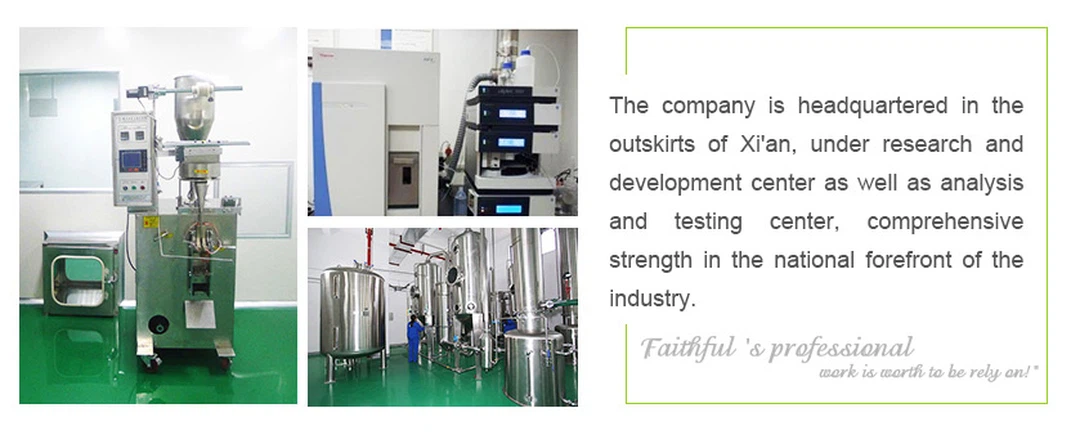
Our Factory

Package

Shipping Methods
|
Transportation Time |
Shipping method |
Cargo weight requirements |
Advantage |
|
3-7 days |
DHL,Germany DHL,Germany DPD, |
Suitable for under 50kg. |
We have warehouses in Germany and California, USA, and customers in Europe and America can enjoy sending goods directly from these two places. |
|
7-15 days |
By Air |
Suitable for more than 50kg. |
|
|
15-60 days |
By Sea |
Suitable for more than 500kg. |
Send your Inquiry for more details, Click email:sales4@faithfulbio.com
FAQ
01. What are the core physiological functions of 3,3',5-Triiodo-L-thyronine CAS 6893-02-3?
Metabolic regulation: Increases basal metabolic rate, promotes thermogenesis, and accelerates glucose and lipid metabolism.
Growth and development: Crucial for fetal/infant brain development and skeletal maturation; deficiency can lead to cretinism.
Cardiovascular: Increases heart rate, enhances myocardial contractility, and dilates peripheral blood vessels.
Nervous system: Maintains the excitability of the nervous system.
Other: Affects the functions of multiple systems, including digestion, respiration, and reproduction.
02. What is low 3,3',5-Triiodo-L-thyronine CAS 6893-02-3 syndrome?
During severe illness/stress, the conversion of T4 to T3 decreases, and T3 clearance accelerates, leading to a decrease in TT3/FT3 and normal TSH. This is a protective adaptation of the body, and T3 supplementation is generally not necessary.
03. Where can I buy 3,3',5-Triiodo-L-thyronine CAS 6893-02-3?
Hot Tags: 3,3',5-triiodo-l-thyronine cas 6893-02-3, China, suppliers, manufacturers, factory, customized, wholesale, buy, price, bulk, pure, producer, discount, for sale, in stock, free sample, raw powder, raw material, made in China