


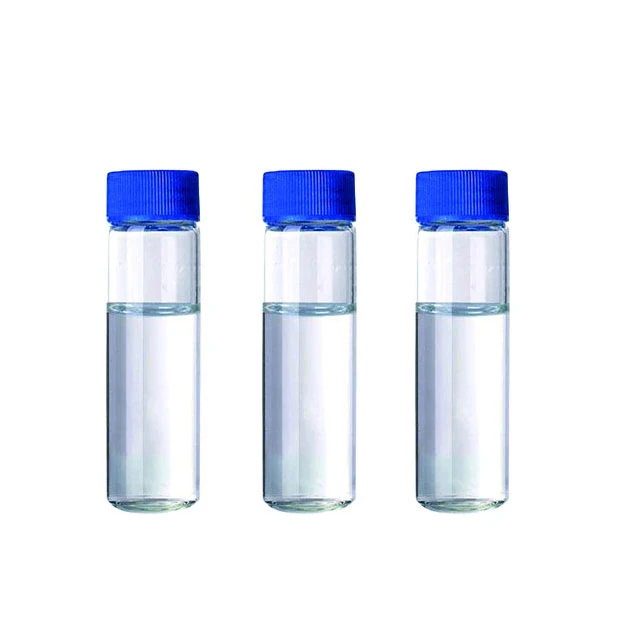

What is 2-Methylenebutyrolactone?
Xi'an Faithful BioTech Co., Ltd., based in Xi'an, focuses on the research, development, production, and overseas sales of biomaterials and fine chemical intermediates. Adhering to high quality control standards, with mature processes and stable supply, our company has earned the recognition and trust of global customers through outstanding product quality and professional service. 2-Methylenebutyrolactone is an active natural organic compound isolated and extracted from natural plants such as tulips. It is a highly sought-after raw material in the fields of natural product research, fine chemical synthesis, and plant activity exploration. This substance exhibits relatively stable physicochemical properties at room temperature, possesses a unique molecular structure, is soluble in various organic solvents, and is not prone to decomposition or deterioration under normal storage conditions. It is suitable for various processing scenarios, including extraction, separation, and compounding. As a typical plant-derived active ingredient, it possesses diverse biological characteristics and has significant application value in plant physiological research, the exploration of the mechanisms of natural active substances, and the development of novel functional materials.
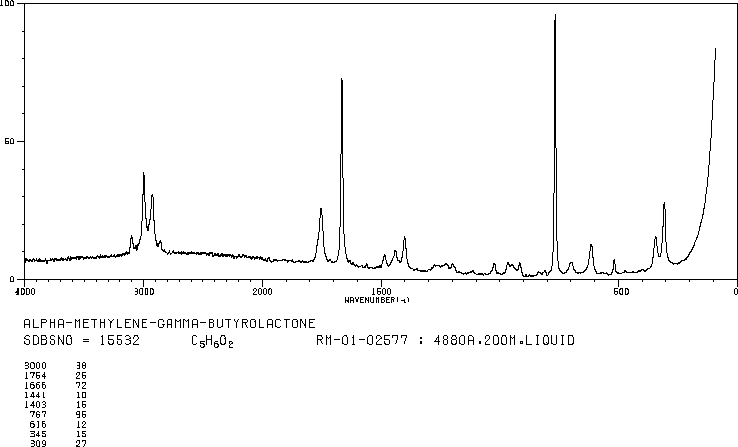
2-Methylenebutyrolactone Manufacturing Process
The production of 2-Methylenebutyrolactone begins with the crushing of plant raw materials. The active ingredients are then converted through enzymatic hydrolysis. Various impurities are removed through processes such as low-temperature extraction, concentration, resin impurity removal, and column chromatography purification. Finally, the finished product is obtained by solvent recrystallization combined with vacuum drying. Temperature and light conditions are strictly controlled throughout the process, and standardized testing is used to ensure that the finished product has stable performance and meets purity standards.
COA
| Test Item | Specification | Test Result |
| Appearance | Colorless to pale yellow liquid or white crystalline solid | Conforms |
| Purity(HPLC) | ≥98.0% | Complies |
| Melting Point | 24.0℃-26.0℃ | Complies |
| Water Content | ≤0.5% | Complies |
| Residue on Ignition | ≤0.1% | Complies |
| Heavy Metals(Pb) | ≤10ppm | Complies |
| Total Impurities | ≤2.0% | Complies |
| Conclusion | Conform with enterprise specification . | |
Click email:sales4@faithfulbio.com Or WhatsApp:+86 17782784907
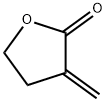
Density 1.1±0.1 g/cm³
Boiling point 204.4±0.0 °C at 760 mmHg
Molecular formula C5H6O₂
Molecular weight 98.100
Flash point 37.2±0.0 °C
Exact mass 98.036781
PSA 26.30000
LogP -0.06
Mechanism of action of Tulipalin A
Regulating Cell Signaling Pathways
2-Methylenebutyrolactone can act on NF-κB-related protein sites, inhibiting the binding of this protein to genetic material, reducing the expression of inflammatory factors, and regulating the process of cellular inflammatory responses.
Affecting Microbial Structural Synthesis
It binds to key synthetic enzymes in microorganisms, inhibiting the formation of cell wall components and causing abnormal cell wall development; it also acts on the cell membrane lipid layer, altering membrane permeability, triggering intracellular efflux, and disrupting the normal physiological state of the bacteria.
Interfering with Microbial Metabolic Activities
It acts on Gram-positive microorganisms, affecting cell membrane function and energy conversion processes, hindering their normal growth and metabolic cycles.
Regulating Organelle Acid-Base Balance
It inhibits the activity of vacuolar hydrogen ion transporters, altering the acid-base environment inside lysosomes, disrupting intracellular ion homeostasis, and affecting the normal physiological functions of organisms.
Participating in Plant Self-Defense
As an endogenous active substance in plants, it is produced in large quantities when plants are stimulated by external factors, participating in the construction of the plant's own defense system; at high concentrations, it can affect the synthesis of cellular genetic material and regulate cell proliferation.

why choose us
We adhere to the principle of "customer first, honesty first", and always provide customers with high-quality and efficient products and high-quality services. Choose faithfulness. Choose a healthy life!
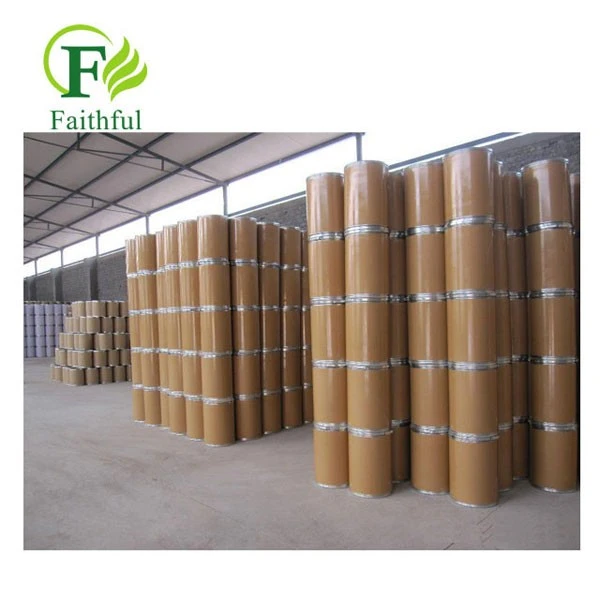
Our Factory
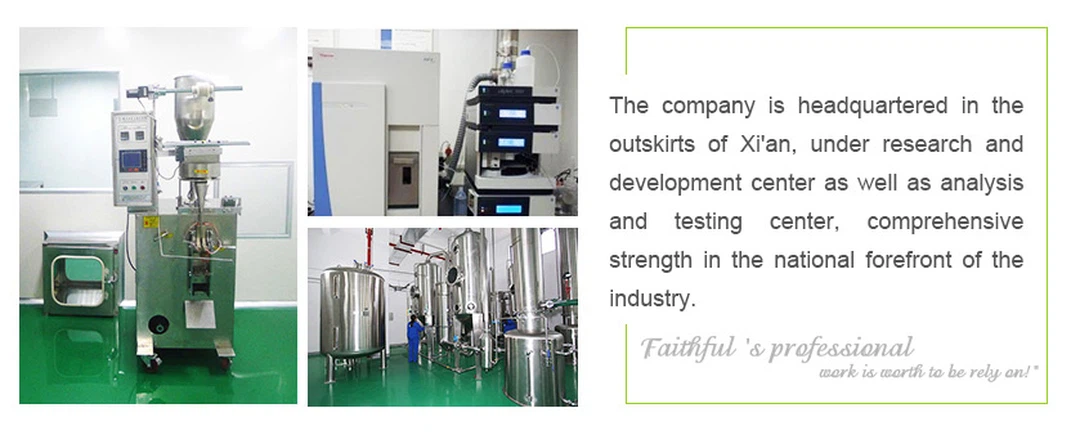

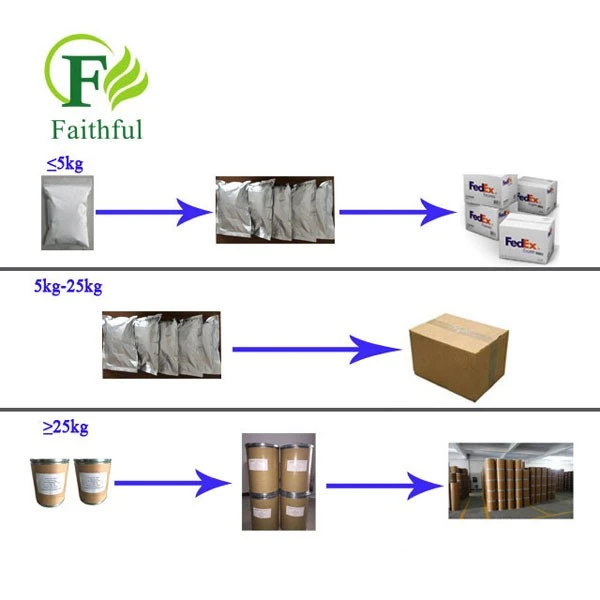
Package

Shipping Methods
| Transportation Time | Shipping method | Cargo weight requirements | Advantage |
| 3-7 days | DHL,Germany DHL,Germany DPD, UPS,USPS,FedEx,TNT,EMS | Suitable for under 50kg. International door to door express | We have warehouses in Germany and California, USA, and customers in Europe and America can enjoy sending goods directly from these two places. |
| 7-15 days | By Air | Suitable for more than 50kg. fast and cheaper for large order | |
| 15-60 days | By Sea | Suitable for more than 500kg. Cheapest shipping way |
FAQ
01. What are the effects of Tulipalin A on cell signaling pathways?
This substance can bind to related functional proteins, blocking the binding of proteins to genetic material and reducing the production of inflammatory factors, thereby regulating the cellular inflammatory response.
02. Does Tulipalin A alter the intracellular acid-base environment?
Yes. It can inhibit the activity of vacuole hydrogen ion transporters, alter the lysosomal acid-base environment, and disrupt intracellular ion homeostasis.
03. In which fields is Tulipalin A mainly used?
2-Methylenebutyrolactone is widely used in natural product research, organic synthesis, plant physiological research, and various biological experiments, and is also a commonly used standard research raw material.
Click email:Sales4@Faithfulbio.Com Or WhatsApp:+86 17782784907
Hot Tags: 2-methylenebutyrolactone cas 547-65-9, China, suppliers, manufacturers, factory, customized, wholesale, buy, price, bulk, pure, producer, discount, for sale, in stock, free sample, raw powder, raw material, made in China